Web Design and Digital Marketing Built for Charities

Donors and beneficiaries start their search online. If your charity is not found, the cause goes unfunded and the people who need you cannot reach you. We help charities build accessible, donation-ready sites and the visibility to match.

Request a visibility briefing
The problem

How Charities lose enquiries today.

Most charities depend on a website that was built by a volunteer, last updated two years ago, and does not reflect the professionalism of the work being done. Grant funders read it. Major donors visit it. Beneficiaries land on it in a moment of need. What they find shapes whether they give, recommend, or stay. Budget pressure is real for every charity, which is why measured value matters more here than in almost any other sector.

The shift

Are you the answer when AI gets asked?

Donors increasingly ask AI assistants where to give before they open a search tab. A supporter researching causes for a specific condition, a geographic area, or a community they care about may get three named charities back in the answer. If your organisation is not one of them, the donation, the legacy gift, or the corporate partnership goes elsewhere. We work to make sure your charity is the named answer when someone asks an AI engine where to help.

What we do for Charities

One partner. The full picture.

We cover your search presence end to end, so enquiries land on one site that the search engines and the AI engines both trust.

01

Charity Web Design

Accessible, donation-ready websites built to WCAG standards and structured so that both grant funders and beneficiaries find exactly what they need, without friction.

02

SEO for Charities

Cause-led content and technical optimisation built around the searches your donors and beneficiaries actually run, so the right people find you without paid spend.

03

AI Visibility for Charities

We measure how AI engines describe your organisation and your cause, then work to make sure your charity is named when supporters and funders ask where to direct their giving.

A charity's site clearly findable by donors and beneficiaries across search and AI.

Why most charity websites work against the cause

Good web design for charities has to carry two very different audiences at once. Grant funders and Charity Commission assessors read the site looking for credibility, governance transparency, and a clear statement of purpose. Beneficiaries and new donors land on it in a moment of need or generosity, looking for a reason to stay.

Volunteer-built sites rarely serve either audience well. They are slow, often inaccessible to the people the charity exists to support, and structured around the organisation rather than the questions the visitor is actually asking. The result passes a basic credibility check but fails the person who typed a cause into a search engine and landed, hesitant, on the homepage.

Grant pressure has not eased either. The charities winning restricted and unrestricted funding are the ones that look credible, communicate impact clearly, and are found by the funders doing their due diligence online before a grant panel ever convenes.

The two audiences your site must serve, and how they differ

A charity website carries a harder structural job than most business sites, because two audiences need different things from the same pages.

Grant funders and institutional partners look for the Charity Commission registration number, a clear organisational structure, evidence of impact, transparent accounts, and a tone that reads as professional and accountable. They arrive from a search for the organisation by name, or a referral link, and they read deeply for the detail.

Beneficiaries and new donors ask different questions: does this organisation work on the issue I care about, does it serve people like me or people in my area, how do I give or get help, and can I trust it. They arrive from a search for a cause, a condition or a location, and they decide quickly. They want clarity, not volume.

The answer is clean information architecture: a site that helps both audiences find their path from the home page without reading everything.
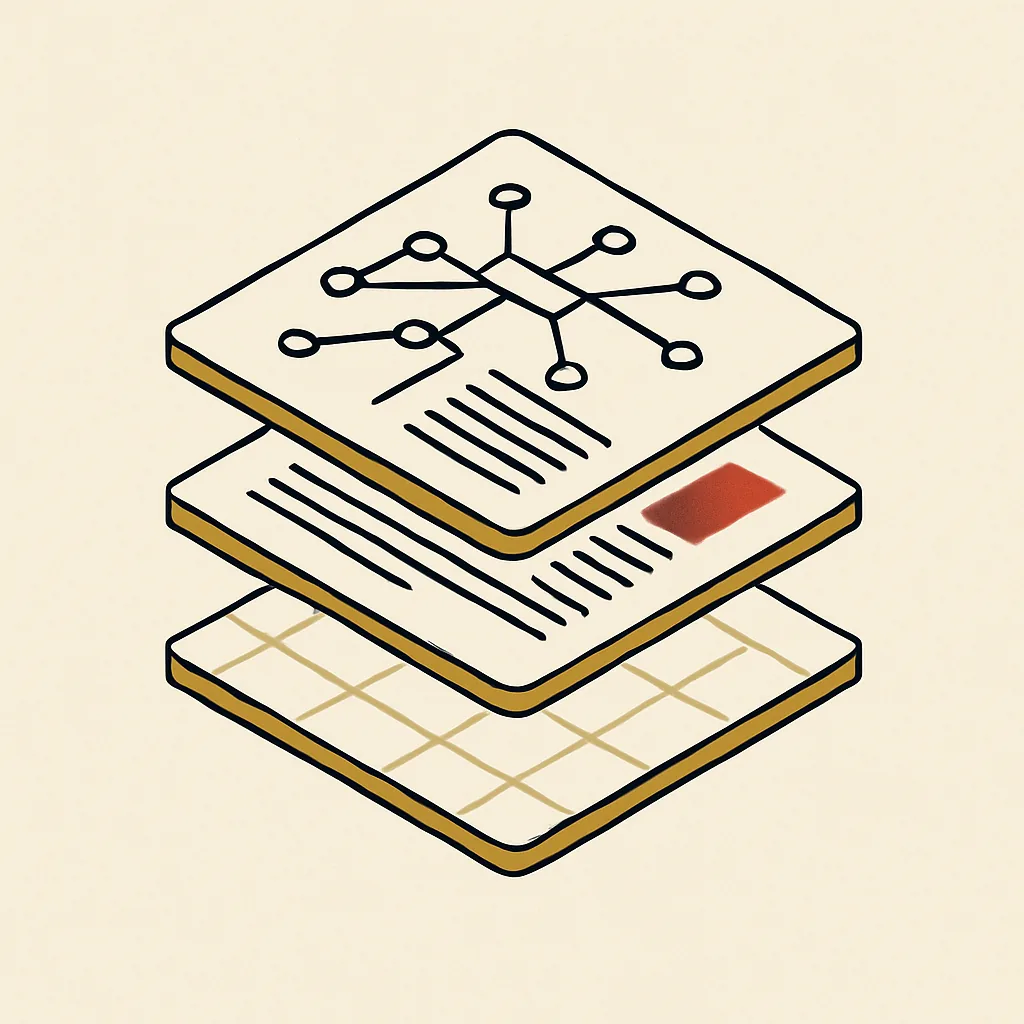
Three stacked layers showing site structure, content and AI trust signals for charities.

What decides whether your charity surfaces when someone searches

Three things decide whether a donor or beneficiary finds your organisation rather than a peer charity covering the same cause:

Technical accessibility and structure. A site that fails WCAG 2.1 AA is not only an ethical liability, it is a structural one. Search engines read accessibility signals as quality signals, and a site screen readers cannot navigate is one crawlers also struggle with. Our web design work treats accessibility as the foundation, not a retrofit.

Cause-led content. Charity websites tend to describe what the organisation does. Donors and beneficiaries search for the issue they care about, the condition they live with, or the community they want to support. Closing the gap between your language and theirs is the core of SEO for charities, and it compounds without paid spend.

AI engine presence. Your charity’s footprint across its site, press coverage, Charity Commission listing and third-party mentions decides what AI engines say when someone asks where to donate or get help. Our AI visibility work measures that footprint and closes the gaps.

The asked-twice problem for charities

Supporters and funders ask one question directly of you: what does this organisation do and why should I give? But they also ask it a second time, of an AI engine, before they ever make contact. That question looks like “Which charities support people with [condition] in [area]?” or “Where should I donate to help [cause]?”

That second conversation happens without you in the room. A short list of organisations is named in the answer. Yours, or not. A Visibility Briefing shows where your charity sits in those AI answers and what it would take to be the named recommendation.

How we measure charity visibility

We do not open with a rebuild proposal. We begin by establishing the evidence. A Visibility Briefing covers where your charity ranks for the cause-led and location-led searches your donors and beneficiaries run, how your organisation appears across AI engines next to peer charities, and the structural, content and accessibility gaps driving the difference.

That baseline becomes the evidence base for every decision, and you see the numbers before committing to anything. The approach is set out on our methodology page.
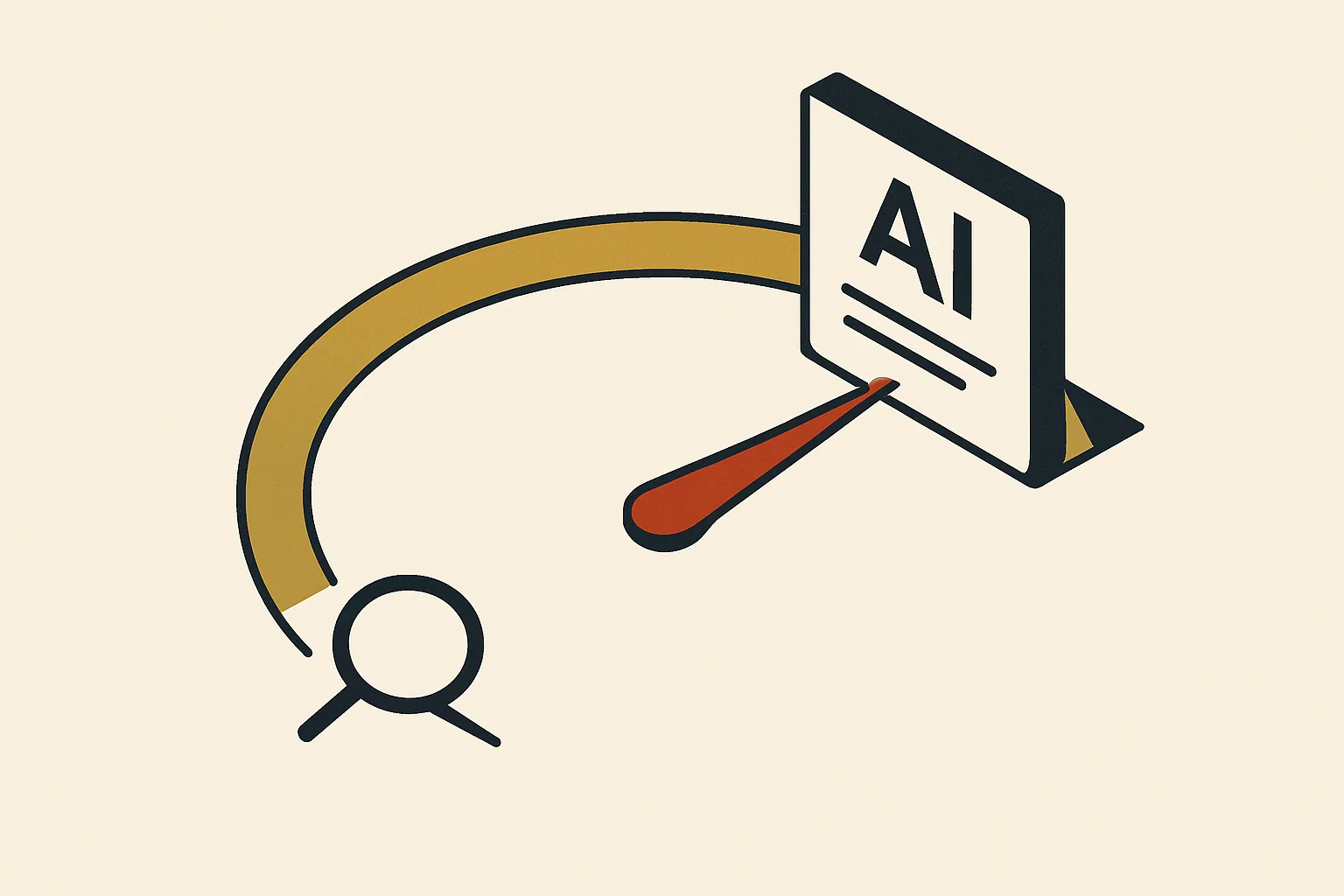
A visibility meter rising from search to AI, showing a charity's coverage improving.

Where to start

Request a Visibility Briefing: a measured baseline showing where your charity stands across Google and the AI engines, what your audience searches for, and the changes that will connect more donors and beneficiaries to your work. You see the evidence before committing to anything ongoing.

Proof

Evidence, not promises.

Every Qyliq engagement starts with a measured baseline of where you stand across Google and AI search. We show you the working at every step and report on the same metrics each cycle, so progress is clear rather than claimed.

Related case study

MOUVE dance school

Read the full case study
Questions

What Charities
ask us

Straightforward answers. If yours is not here, ask us directly.

Do charities really need to invest in digital marketing?
Charity Commission registration requires financial transparency, but it does not build your visibility with new donors or beneficiaries. Those people find causes through search and AI recommendations now, just as they find businesses. A well-structured site with clear purpose and accessibility compliance is the floor, not the ceiling. The charities that grow their supporter base are the ones that are found at the moment someone decides to give or to get help.
What does WCAG compliance mean and why does it matter for charities?
WCAG (Web Content Accessibility Guidelines) are the accessibility standards that determine whether your site can be used by people with visual, hearing, motor or cognitive impairments. For charities, this is not optional. Many beneficiary audiences include people who rely on screen readers or keyboard navigation. An inaccessible site turns away the people you exist to serve. We build to WCAG 2.1 AA as a baseline, not an add-on.
How does AI search affect charity fundraising?
When a donor asks ChatGPT or Perplexity where to give to support a cause in their area, or which organisation works on a specific issue, the answer names a short list. Those named charities receive the attention; others do not appear in the conversation at all. We start with a Visibility Briefing to show you how your charity currently appears in AI answers versus how your peers appear, and what changes will move that.
We have a tight budget. Where do we start?
The Visibility Briefing is the right entry point. It gives you a measured picture of where your charity stands across Google and AI search, what your audience is searching for, and where the specific gaps are. You see the evidence before committing to any ongoing work. For charities with limited resources, that means no guesswork about where to invest.
Next step

Find out where you stand

The Visibility Briefing maps your current position across Google and AI search with evidence, not guesswork. See where you stand before committing to anything.

Request a visibility briefing