Web Design and SEO Built for Ecommerce

Your products are only as good as the number of people who find them. We help UK ecommerce businesses get found on Google and in AI search, then turn that traffic into orders.

Request a visibility briefing
The problem

How Ecommerce businesses lose enquiries today.

Most ecommerce businesses pour budget into ads and paid placements while the free channels quietly underperform. Product pages compete on price alone, category pages go unindexed, and the store loses to larger competitors who own the search results. When the ad budget pauses, the orders pause with it.

From the audits

What we actually find.

The ad spend is only half the problem. On the online-retail sites we audit, the money often leaks before the basket. Real cases, anonymised:

Every ring Dead add-to-basket

A jeweller was paying for ads to sell rings worth a couple of thousand pounds each. On every ring, the 'add to basket' button did nothing. The product was unbuyable the moment a visitor arrived.

413 reviews Absent from the map

The same shop held 413 reviews at 4.9 stars, and still did not appear in the local map results on any of 12 commercial searches.

25.0s Ad landing page

Its paid-ads landing page took 25 seconds to load on a phone. They paid for the click and lost it before the page appeared.

The shift

Are you the answer when AI gets asked?

Fix those and you keep the buyers you already pay for. The next question is the ones you do not. Shoppers increasingly ask AI assistants for product recommendations before they ever open a search tab. If a buyer asks an AI engine which store to buy from, your shop is either named or it is invisible. We work to make sure your products are the ones the AI engines surface, not your competitors.

What we do for Ecommerce businesses

One partner. The full picture.

We cover your search presence end to end, so enquiries land on one site that the search engines and the AI engines both trust.

01

Ecommerce Web Design

Fast, well structured online shops built so that every product and category page can be found, indexed and trusted by both search engines and AI engines.

02

Ecommerce SEO

Category, product and content pages optimised for the terms your buyers actually search, so you earn orders without paying for every click.

03

AI Visibility

We track how AI assistants describe and recommend your store, then work to make sure your products are the named answer when a buyer asks.

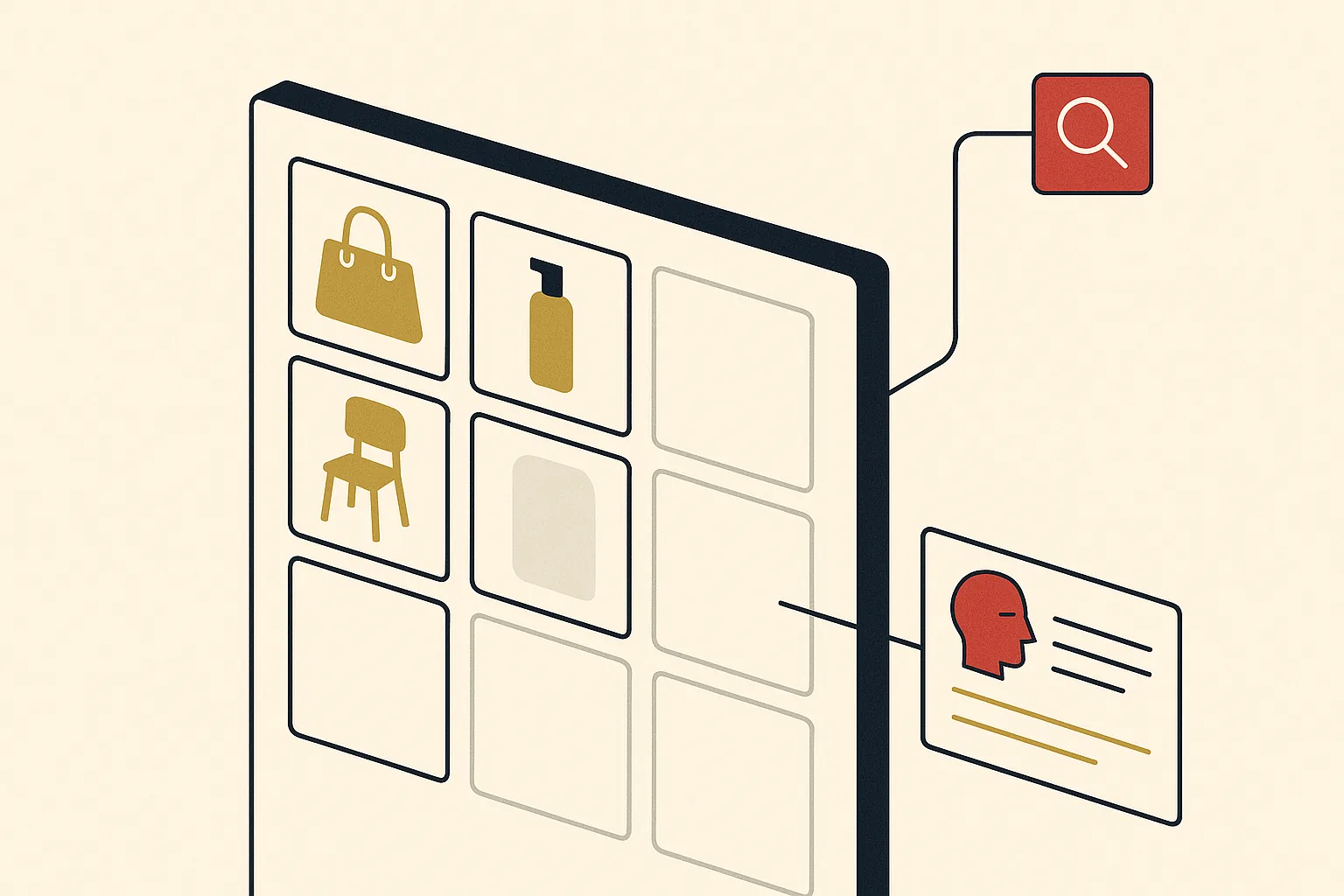
An online store grid where some products are visible to search and AI engines and others are greyed out.

What ecommerce businesses get wrong about being found

Most online shops treat search as something the platform handles for them. It does not. A store can carry hundreds of well-stocked product pages that Google never indexes and AI engines never read, because the structure, speed and signals underneath them were never built to be found.

The result is a familiar pattern. Paid ads carry the orders. The moment the budget pauses, the orders pause with it. The organic channels that should compound quietly underperform, and the shop stays dependent on spend it cannot switch off. Growth becomes a question of how much you can afford to bid, not how well customers can find you.

The three things that decide whether your products surface

  • Structure a machine can read. Clean category pages, accurate product data, fast load times, and a site a search engine can crawl without hitting dead ends or duplicate variants. This is the foundation of our web design work.
  • Content that earns the ranking. Category and buying-guide pages built around what your buyers actually search, not just product titles pulled from a supplier feed. That is the heart of ecommerce SEO.
  • A presence the AI engines trust. When a shopper asks an assistant which store to buy from, the answer is assembled from your whole footprint, your site, your reviews and your third-party mentions, not your ad spend. Our AI visibility work makes sure your products are the named answer.
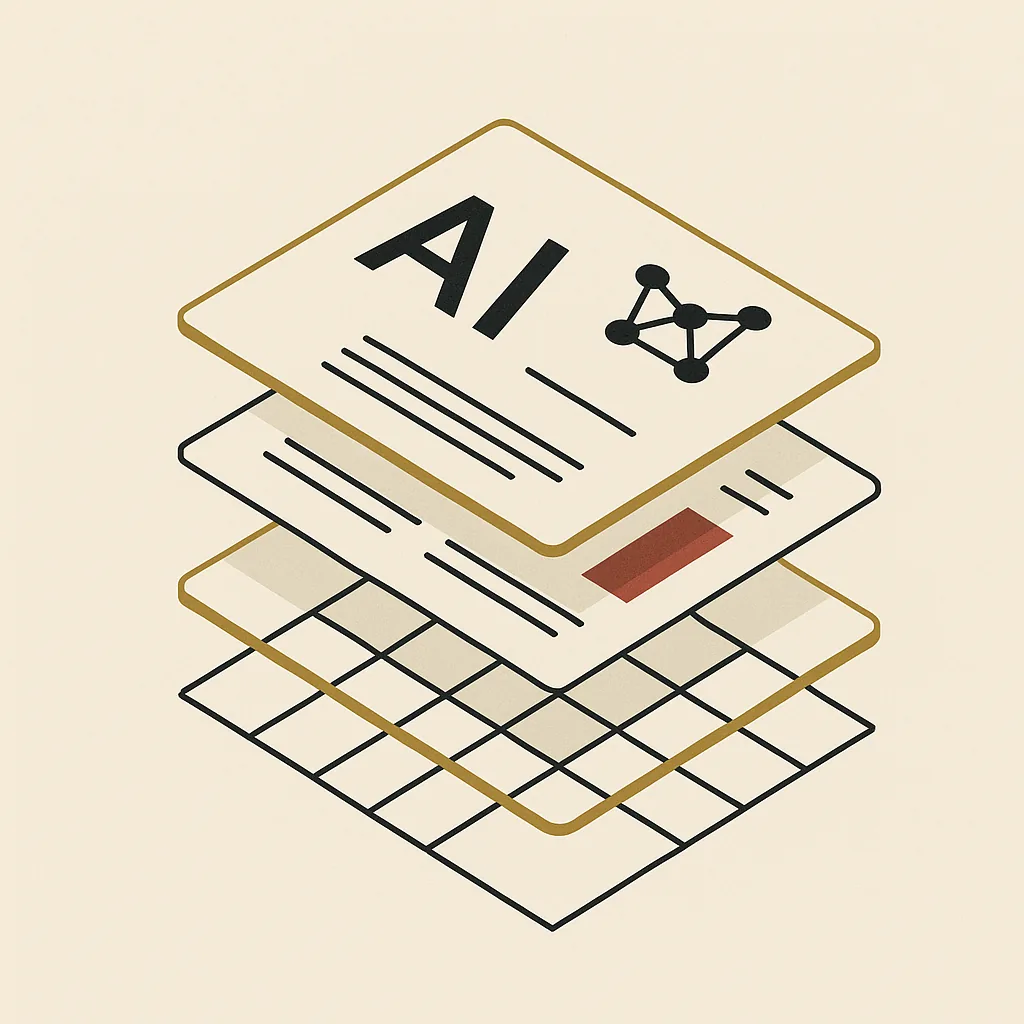
Three stacked layers showing site structure, content and AI trust signals for an ecommerce store.

The ecommerce SEO mistakes that quietly cost orders

A handful of issues show up again and again on stores that are not turning search into revenue:

  • Thin product descriptions copied straight from the manufacturer, identical to every other retailer selling the same item.
  • Category pages left unindexed, when category terms are usually where the real buying intent sits.
  • Duplicate content created by filters, sort orders and product variants, splitting ranking signals across dozens of near-identical URLs.
  • Slow product pages that lose both the ranking and the shopper before the page has settled.
  • Missing product data, so neither Google nor an AI engine can state your price, availability or rating with confidence.

None of these are exotic. They are the quiet defaults of a store that was set up to sell, not to be found.

Why AI search matters for online shops now

Shoppers increasingly ask ChatGPT, Claude and Perplexity for recommendations before they ever open a search tab. Those engines do not return ten links to scroll. They name a short list of stores. Your shop is either in that answer or it is invisible, and you never see the sale you did not get.

This is the same gap we explain in why your business appears in Google but not ChatGPT. For ecommerce it is sharper, because the buyer is often ready to purchase the moment they ask, and the engine’s shortlist decides who gets the order.

How we measure ecommerce visibility

We do not open with a redesign or a list of fixes. We open by measuring where you stand: how your store ranks for the category and product terms that matter, and how often the AI engines name you when a buyer asks for a recommendation in your category. That baseline becomes the scorecard we report against every cycle, so progress is something you can see rather than take on trust. The approach is set out on our methodology page.
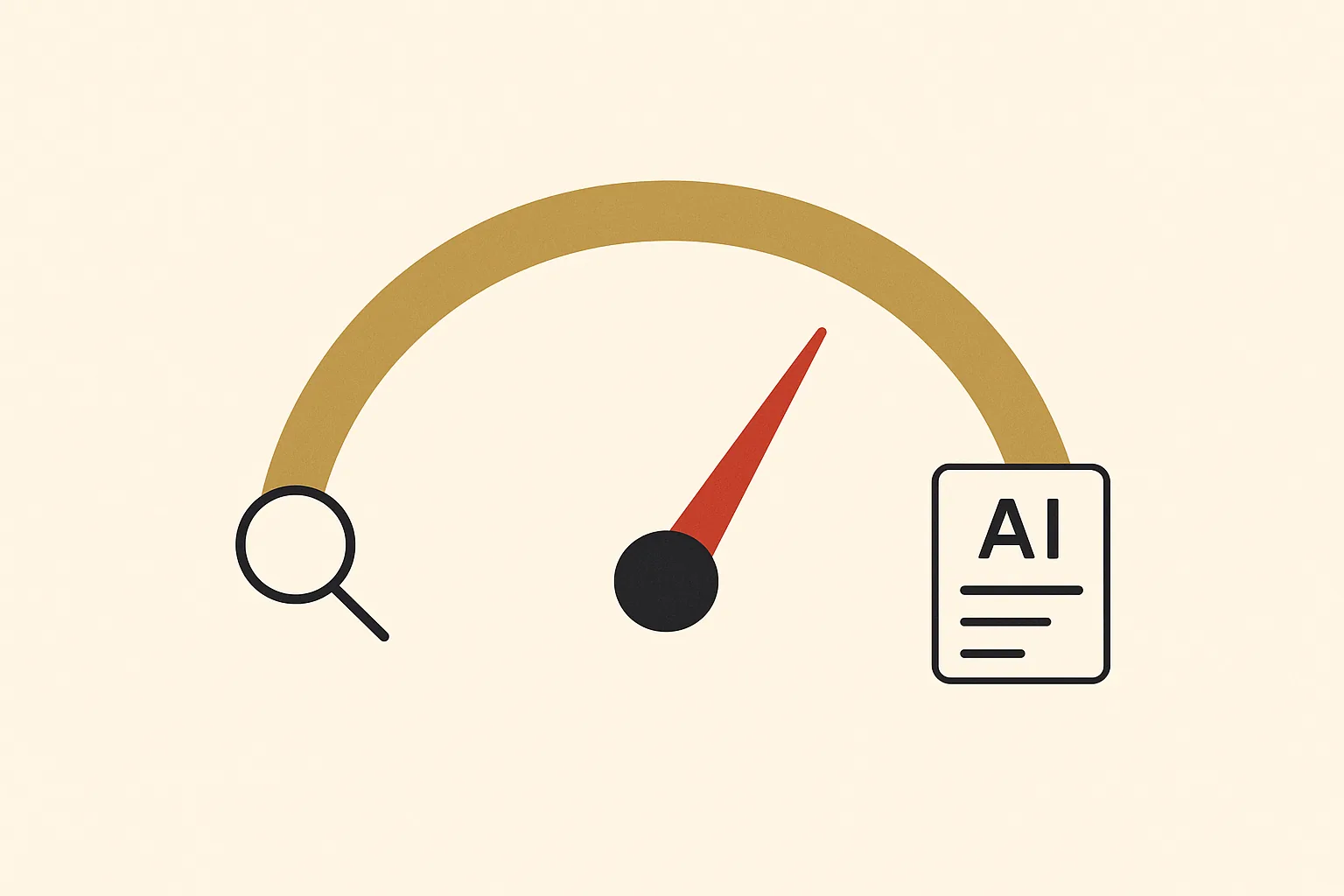
A visibility meter rising from search to an AI answer card for an ecommerce store.

Where to start

We start with a Visibility Briefing: a measured baseline of where your store stands across Google and the AI engines, what your competitors are capturing that you are not, and the specific changes that will move orders. You see the evidence before you commit to anything ongoing.

Proof

Evidence, not promises.

Every Qyliq engagement starts with a measured baseline of where you stand across Google and AI search, and ends with a measured result. We show you the working at every step.

Related case study

MOUVE dance school

Read the full case study
Questions

What Ecommerce businesses
ask us

Straightforward answers. If yours is not here, ask us directly.

My sales depend on ads. The moment I pause the budget, orders stop. How do I fix that?
Paid ads buy attention for as long as you keep paying. Search and AI visibility earn it for free, from buyers who find you organically and from the AI engines that recommend products when someone asks. The two work best together, but a store that only runs ads is renting its traffic. We build the owned channels so orders keep arriving when the ad budget is off.
Why do I get visitors to my store but almost nobody buys?
Traffic is only worth what it converts. A store can pull visitors and still lose them to slow pages, weak product copy, a checkout that asks too much, or traffic that was never the right buyer in the first place. A Visibility Briefing separates the two problems, whether you have the wrong visitors or the right visitors on a site that does not convert them, so the fix targets the real cause.
Is my shop visible when a buyer asks ChatGPT, Perplexity or Google AI for a recommendation in my category?
Often not, and most store owners have never checked. AI engines build their recommendations from your product data, your reviews, and how clearly your site describes what you sell. If that information is thin or hard for a machine to read, the engine names a competitor. Our AI visibility work measures where you stand in those answers today and closes the gaps that keep you out of them.
My Google rankings are stable but organic traffic is down. What is happening?
This is one of the clearest signs of the shift to AI search. Google increasingly answers the question on the results page itself, or hands it to an AI summary, so a buyer never clicks through even though you still rank. The response is not to chase the ranking, it is to become the source the AI summary cites and to win the searches that still convert. We measure both so you can see where the traffic actually went.
All my product descriptions come straight from the supplier. Is that hurting my rankings?
Usually, yes. When dozens of shops publish the identical supplier text, search engines have no reason to rank yours above the rest, and AI engines have nothing distinctive to cite. Original descriptions that answer real buyer questions, with your own detail and use cases, give both something to reward. It is one of the most common and most fixable gaps we find.
Do you redesign the whole site or just fix what I have?
It depends on what you already have. Some stores need a full rebuild for speed and structure, others just need their existing pages corrected and optimised. We start with a Visibility Briefing to see where you stand, then recommend only what will move the numbers, not a rebuild you may not need.
How long before I see results, and what makes it faster or slower?
Search and AI visibility build over weeks and months rather than overnight. Technical fixes, like indexing and speed, can move quickly. Earning authority and reviews takes longer. We set a measured baseline at the start so you can see what has moved and what drove it, and we report against the same metrics every cycle.
Next step

Find out where you stand

The Visibility Briefing maps your current position across Google and AI search with evidence, not guesswork. See where you stand before committing to anything.

Request a visibility briefing