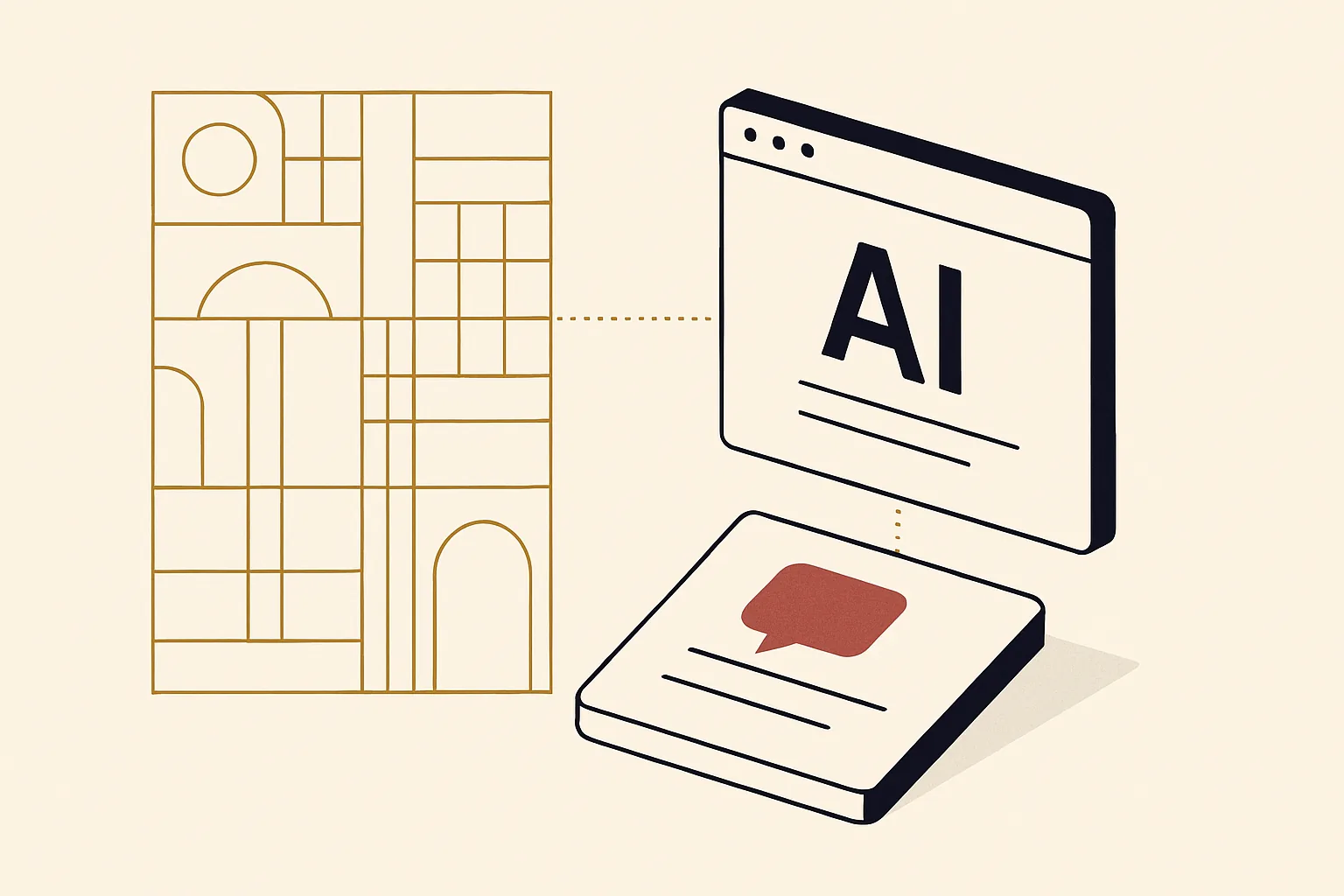
Web Design and Marketing Built for Engineering Firms

A technically brilliant firm can lose work to a better-found competitor. We help UK engineering consultancies get discovered by the right clients, across search and the AI answers buyers now consult before picking up the phone.

Request a visibility briefing
The problem

How Engineering firms lose enquiries today.

Engineering firms typically win on technical reputation and referral networks built over years. The website is treated as a credential document, not a business-development tool. It carries a dense project list, a list of accreditations, and very little else that helps a developer or contractor decide whether to shortlist the firm for a tender. Meanwhile, the buyers are starting their search online, and the AI assistants they now consult are naming the consultancies they can find, not the ones with the best reputation in the room.

The shift

Are you the answer when AI gets asked?

Developers, contractors and procurement teams increasingly ask AI assistants for engineering consultancies before they contact anyone directly. Those assistants return a short named list. If your firm does not surface in that answer, the enquiry goes to someone who does. We work to make sure your firm is the named answer when a buyer asks for an engineering consultancy in your discipline.

What we do for Engineering firms

One partner. The full picture.

We cover your search presence end to end, so enquiries land on one site that the search engines and the AI engines both trust.

01

Engineering Firm Web Design

Clear, credibility-first websites built around your discipline, your accreditations and your project work, so that the right clients understand immediately what you do and why you are the right choice.

02

Engineering SEO

Content and structure optimised for the discipline-specific and project-type searches that drive B2B tender enquiries, so your firm surfaces when buyers are actively looking.

03

AI Visibility

We track how AI assistants describe and recommend engineering consultancies in your discipline, then work to make sure your firm is the one they name.

An engineering firm surfaced for its discipline across search and AI.

What engineering firms get wrong about being found

When owners of engineering firms look into web design for engineers, most expect to be sold a credential document that tidies up the project list and adds an accreditations panel. That is the brief most agencies take. It misses the real opportunity entirely.

That model is shifting. Developers and contractors check online before they reach out, even when a colleague has mentioned a firm. Procurement teams run searches to see who else is in the market before writing a brief. And AI assistants now enter the process even earlier, naming consultancies by discipline before any human conversation has taken place. When a client asks ChatGPT or Perplexity for engineering firms experienced in a specific building type, the answer names a short list. Firms not on it never know they were out of contention.

The firms that do surface are not always the most capable. They are the ones whose discipline, credentials and project work are structured so that search engines can index them and AI assistants can read and recommend them.

What decides whether your firm surfaces

  • Discipline clarity. Structural, civil, mechanical and M&E each carry distinct search intent. A site that presents all disciplines under a generic heading is harder for both buyers and search engines to place. Explicit discipline structure is the foundation of our web design work.
  • Accreditations that read as trust signals. ICE membership, IMechE chartered status and equivalent credentials carry weight with procurement teams and with the AI engines assembling a shortlist. They belong in structured page content, not buried in a footer.
  • Project work that can be indexed. Case studies with clear scope, client type and the firm’s specific role are the most powerful content an engineering consultancy can publish. A portfolio that exists only as a PDF or an untagged gallery is invisible to search and unreadable by AI assistants.
  • A footprint the AI engines can trust. When a contractor asks an AI assistant for a structural or M&E consultancy, the answer draws on your whole online presence, your site, your citations in trade media and your third-party mentions. Our AI visibility work makes sure your firm is the named answer.

Three stacked layers showing site structure, content and AI trust for engineering firms.

The patterns that quietly cost tender opportunities

A few issues appear consistently on engineering firm websites losing ground to better-found competitors:

  • Dense services pages that list everything without making clear which project type or sector the firm is strongest in, so no buyer or AI engine can confidently place it.
  • Portfolios in the wrong format. Photography and PDFs carry none of the structured text that search engines index and AI assistants read.
  • Accreditations mentioned once and buried. ICE chartered status, IMechE membership and ISO 9001 certification should appear in structured page metadata, not only in a footer.
  • No content for discipline-specific searches. Buyers looking for a structural engineer for a specific building type, or an M&E consultancy with sector experience, run searches that a well-built content structure can capture through engineering SEO.

Why AI search is changing this now

The question “which engineering consultancy should I use for this project?” is being asked of AI assistants before buyers contact anyone directly. The answer is assembled from structured online information, not from reputation alone.

For engineering firms the stakes are high because the projects are high-value and the shortlists are short. If your firm is not in that answer, you never know the enquiry existed. The firms addressing this now are putting distance between themselves and competitors who have not yet noticed the shift.

How we measure visibility

We open with a Visibility Briefing, not a redesign proposal. The Visibility Briefing measures where your firm stands across the discipline and project-type searches your buyers run, and how AI assistants currently describe your firm versus the competitors you lose work to. That baseline becomes the scorecard we report against every engagement cycle. The approach is set out on our methodology page.
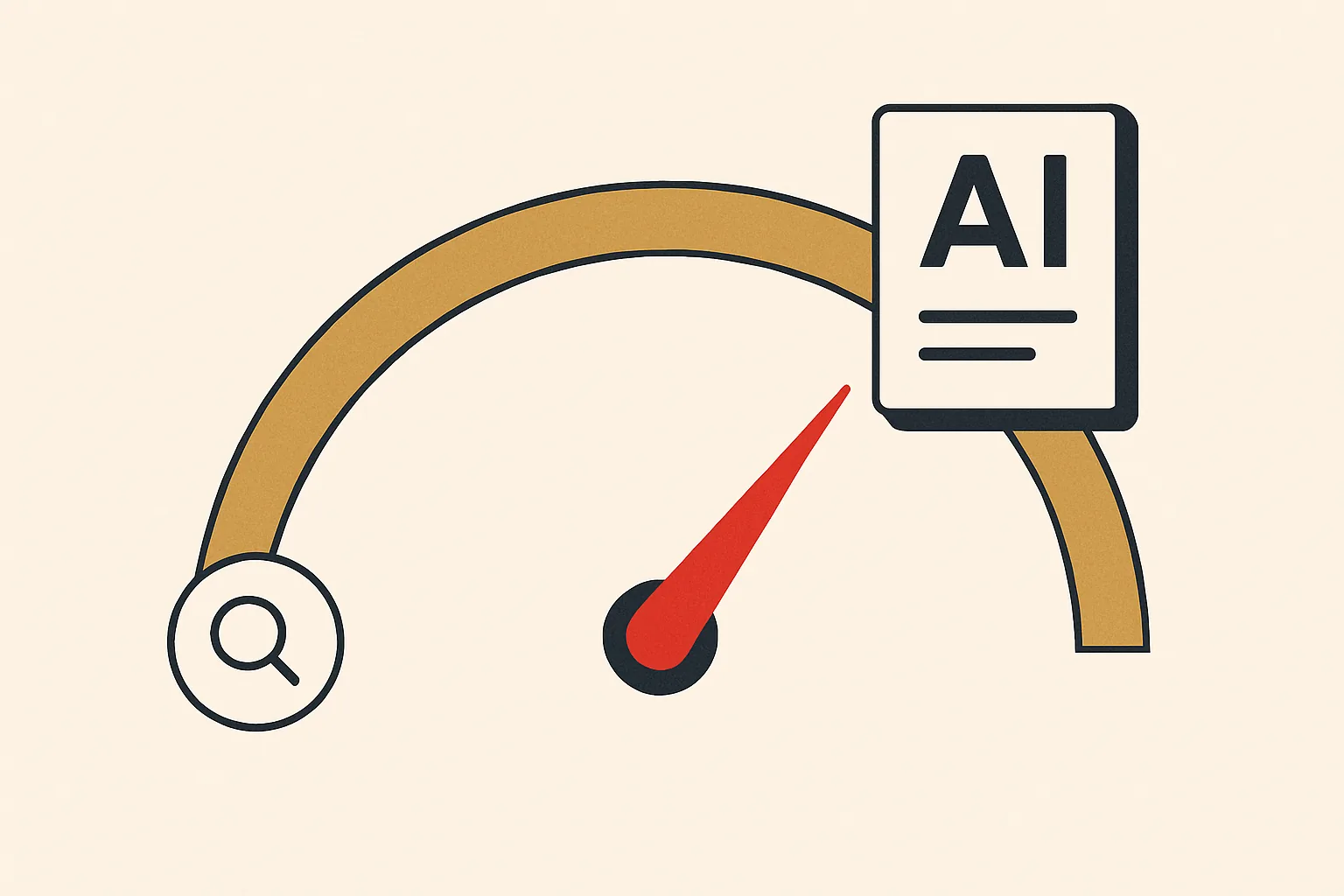
A visibility meter rising from search to an AI answer card for an engineering firm.

Where to start

Request a Visibility Briefing: a clear picture of where your firm stands across search and AI answers, what better-found competitors are doing differently, and the specific changes that will put your discipline and project work in front of the buyers who are already looking. You see the evidence before committing to anything ongoing. See how we have applied this for other clients to understand what a measured result looks like.

Proof

Evidence, not promises.

Every Qyliq engagement starts with a measured baseline of where you stand across Google and AI search, and ends with a measured result. We show you the working at every step.

Related case study

MOUVE dance school

Read the full case study
Questions

What Engineering firms
ask us

Straightforward answers. If yours is not here, ask us directly.

Our firm wins work through referrals and tender. Why does the website matter?
Referrals still start with a website check. The person who was referred to you, or who received your tender submission, will look you up before they respond. If the site is hard to navigate, does not clearly state your disciplines, or fails to show relevant project work, you lose credibility at the precise moment someone is deciding whether to shortlist you. The same is true for AI assistants, which consult your web presence directly when assembling a recommendation.
How does AI search change things for engineering consultancies?
Developers, contractors and procurement managers are beginning to ask AI assistants for specialist consultancies before they go to their own networks. Those assistants return a short list of firms that are clearly described, well-structured online, and cited across multiple credible sources. A firm that is only visible through a dated site and a LinkedIn profile is unlikely to appear. A firm whose discipline, accreditations and project history are structured for discovery will be. The gap is widening, and it is widening quietly.
Do you understand the difference between structural, civil, mechanical and M&E engineering?
Yes, and the distinction matters for how the work is done. Each discipline has different search intent, different procurement routes, different accreditations that carry weight (ICE chartered status for civil and structural, IMechE for mechanical, CIBSE for building services), and different audiences reading the site. We do not build a generic professional-services site and apply your logo. We start with a Visibility Briefing that maps your discipline, your competitors and the specific searches your buyers run.
What does a Visibility Briefing include for an engineering firm?
A baseline of where your firm currently ranks for the discipline and project-type searches that matter to you, how AI assistants currently describe your firm versus competitors, a gap analysis showing what the better-found firms are doing differently, and a clear set of recommendations. You see the evidence before you commit to any ongoing work.
Next step

Find out where you stand

The Visibility Briefing maps your current position across Google and AI search with evidence, not guesswork. See where you stand before committing to anything.

Request a visibility briefing